Naginata has a long and rich history dating back to the 7th century. At the time it’s length and light weight made it an extremely effective weapon on the battlefield especially against opponents on horseback. However by the 15th century it had been largely phased out in favor of the yari or spear which required much less training to use effectively.
Use of the Naginata then transitioned to a form of character building in times of peace heavily utilized by woman of noble family’s where it remained until after the second world war were it began to take on a more modern form within the Japanese school system as a part of girls physical education.
Today Atarashii Naginata has spread beyond Japan to many countries and is now completely co-ed and holds regular national and international competitions with multiple styles ranging from full contact sparring (shiai) as well as more form based no-contact competitions (engi/kata) and even some performance based demonstrations in the form of rhythm Naginata
What to Expect
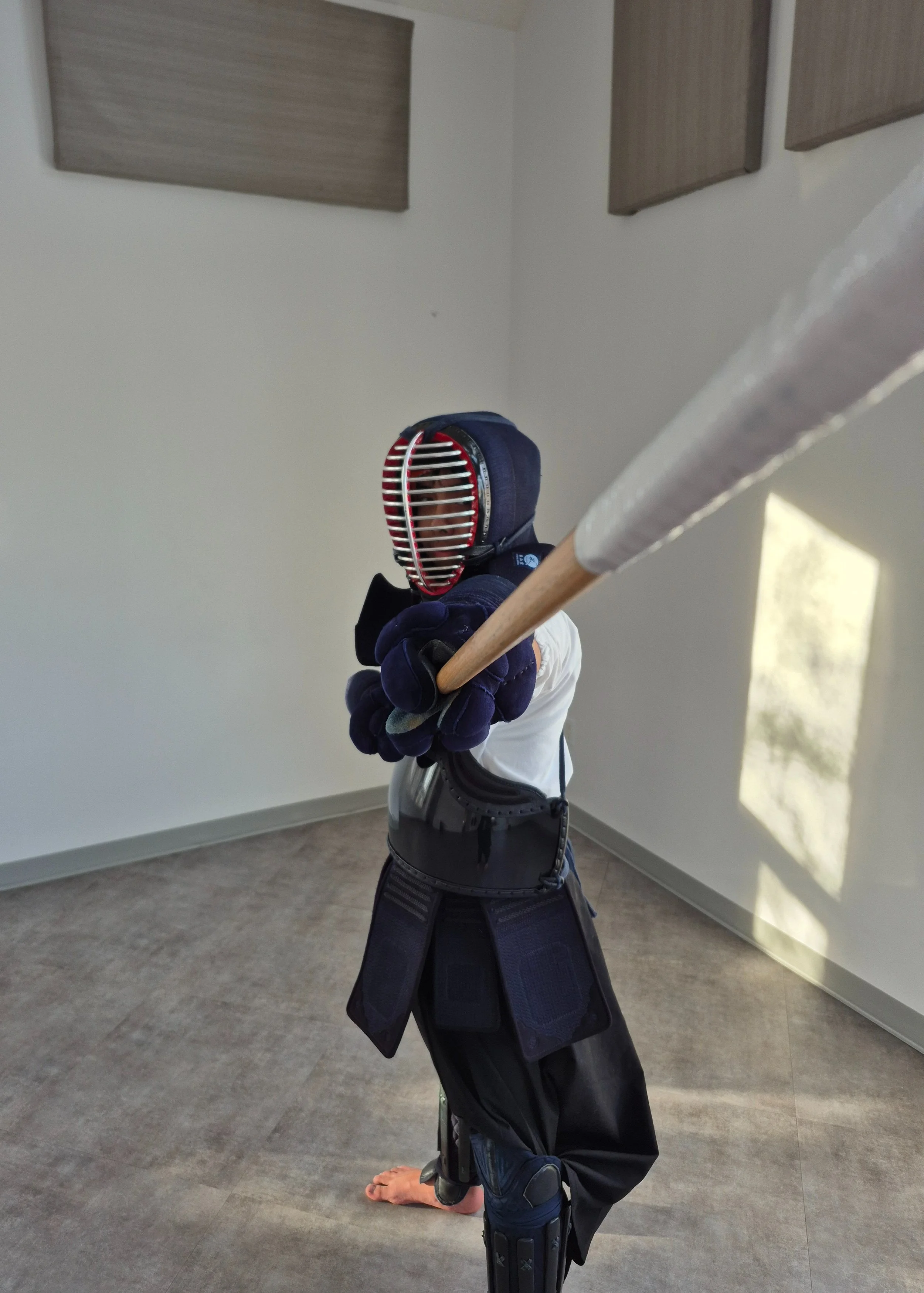
The first few months is spent learning the basics, etiquette, footwork and the fundamentals of striking your opponent, this will include basic strikes as well as the beginner sets of shikake-oji (choreographed strike/defense sets). Once a level of proficiency is attained you will be permitted to challenge an in-club exam for a Naginata rank, from here you will be permitted to wear bogu (body armour) and participate in sparring practice and competitions.
Equipment
To start nothing is required, simply come prepared to practice with gym clothes (no shoes) and a water bottle. After you’ve committed to practicing it is recommended that you purchase a uniform from a recommended supplier (multiple options provided) and a Naginata for personal use however club Naginata will be provided free of charge to any club member. Approximate costs are listed below:
Gi & Hakama: (~$120)
Shiai Naginata (~164)
It is also recommended to begin saving for bogu (body armour), a full set can cost anywhere between $600 - $1000 depending on the quality and style however bogu can be purchased in pieces as beginners typically start with sune-ate (shin-guards) and Kote (gloves) and depending on availability club gear may be available on a first come, first serve basis until a purchase can be made.
For more information or questions please feel free to reach out via email (rvnaginata@gmail.com) or feel free to stop by the club to watch a class and see if it’s a good fit for you!